When homeowners discover mold in their homes, the first instinct is often to seek a quick, non-invasive solution. One method that’s gained attention in recent years is fogging for mold. It’s marketed as a way to eliminate mold without tearing into walls or removing materials.
At first glance, it sounds like the ideal solution. But does fogging for mold actually solve the problem or just cover it up?
If you’re dealing with mold, moisture, or ongoing health concerns, it’s important to understand what this process does and where it falls short.
When homeowners discover they have a mold problem in their home, and they have not been exposed to the methods and requirements to remove the contaminant, it is easy to reach for a simple noninvasive solution. Mold Remediation companies have been promoting the use of fogging to “treat” the contamination rather than removing it for several years. Although national remediation standards published by the Institute on Inspection Cleaning and Restoration Certification (IICRC) S520, does not support it use other than in the final stages of post remediation cleaning. Therefore, a homeowner that does not know any better, can easily be defenseless against salesmanship.
In the water damage restoration industry, it is common to kill bacteria that is created from a flood or sewage backup by misting an affected area with an enzyme. The method of spreading is called fogging, which is where a handheld machine creates a mist from a liquid. These liquids can be a variety of materials from simply water to a disinfectant, biocide, or sanitizer. Fogging for mold is a “treatment” method that is promoted to eliminate the presence of mold in a building without the need for engineering controls or cleaning.
Many uninformed remediation contractors consistently focus on killing mold colonies and spores. In the 24 Indoor Air Quality Association conferences that I have attended, I have not seen a single technical presentation on the benefits of fogging by a practitioner or vender. Although this method is often promoted as a full-home solution that can reach areas where mold might be hiding, there is much controversy on its actual benefits.
When remediation company offers fogging for mold contamination as a service, remember that it is not supported by current industry standards because killing mold (if that even happens) is not considered a removal technique. The focus, the goal, the desire, for a remediation company is to remove the contamination to a normal background fungal ecology (which means type and amount, and referred to a Condition 1 in IICRC S-520); fogging will not accomplish this.
The appeal by the homeowner (and promoted by the contractor) to fog for addressing mold contamination is easy to understand; but unfortunately, is not technically supported:
For homeowners dealing with musty odors or unexplained symptoms, it feels like a way to solve the problem without major disruption.
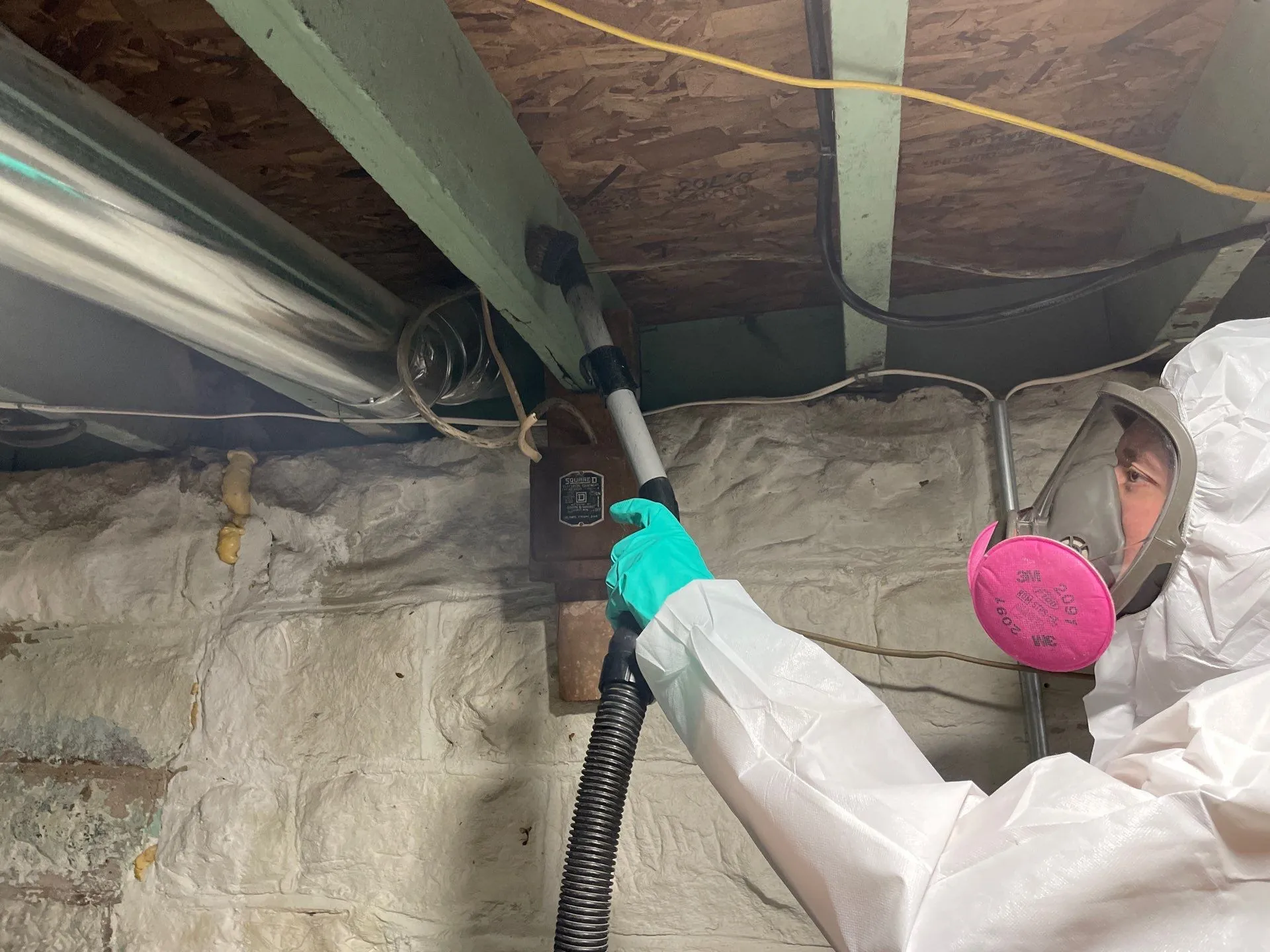
Proper mold remediation focuses on identifying the source of contamination, removing the contamination (referred to as Condition 3), cleaning the airborne debris that breaks off the growth colonies (referred to as Condition 2); all while using engineering controls to prevent the spread of the contaminant during the removal process.
You do not “treat” mold, you remove it.
Mold doesn’t appear randomly. It grows because of elevated moisture either as humidity or liquid water, whether from leaks, condensation, humidity, or water intrusion.
If the moisture is not removed to a normal amount, then mold growth will resume, regardless of the method of remediation. After the moisture is removed, the mold colonies will continue to be present, but become dormant, and continue to have a negative impact on the indoor air quality of the home.
Fogging does not:
Many homeowners that allow this service to be used in their home often run into frustration. The “treatment” may seem effective at first, but because the mold contamination has not been removed, the health issues can return. What has become common place in Ohio is a contractor to fog an area and then spray a paint to encapsulate the contamination without any removal activities.
Seasonal moisture problems are especially common in Ohio homes. Issues like basement dampness during spring rains, or the restriction of moisture from a poorly ventilated attic. Which both can create ideal conditions for growth, as discussed in this article on how Spring snowmelt can lead to basement mold.
One of the biggest concerns with fogging is that it does not remove the mold or the associated chemicals that people react to when inhaled.
For example:
But if moisture is still present, the environment is still favorable for mold growth. For families dealing with ongoing health symptoms, this can delay proper diagnosis. Instead of removing the issue, the problem continues to impact the indoor air quality.
Homeowners comparing treatment options should also understand the importance of proper remediation standards and scope of work before hiring a contractor: Comparing proposals from mold remediation companies.
ALSO, ask for their Educational Biography which will itemize the training programs they have attended and the certifications they have achieved. Because training is so important, look up what it requires to obtain the certifications they list; there are many organizations that sound official, but just takes 16 hours of online training with an open book test.
To be clear, fogging is not completely without value. In some cases, it can be used as a supplemental step.
It may be helpful:
But fogging for mold should not be used as the primary solution.
Effective mold remediation focuses on five key steps:
Without these steps, mold problems tend to return.
For homeowners in Ohio, especially during humid seasons or after water events, addressing moisture is the most important factor in long-term success. Professional mold services can help identify hidden moisture sources and determine the appropriate remediation approach.
Fogging for mold can sound like a simple method of removing mold, but the technical approach to accomplish this is rarely simple. The most common mold remedial standard used today is IICRC S520, which does not support the use of fogging as a remediation method to return a contaminated area to a normal background condition.
In Section 1.4 states The Standard emphasizes source removal by physical methods, therefore, utilizing a spray, fog, foam, gas, or other remediation approaches, without physical removal, is a deviation from this standard of care.
Section 2.1.3 it states “Physical cleaning of the knockdown (from misting) residue is required for the purpose of returning a surface to a Condition 1.”
Section 2.3.2 states “a remediator should not use a disinfectant or fungicide instead of remediating or removing the growth”.
While advocates for fogging claim that it reduces visible or airborne mold, it cannot replace proper inspection and contaminant material removal using approved technical methods. The foundation of preventing mold growth is controlling moisture intrusion or accumulation.
Advocates for this process encourage fogging an entire home, and not just the area of remediation. It is important to recognize that there is very little benefit to improving indoor air quality.
If you’re dealing with recurring mold, musty odors, or ongoing health concerns, the focus should be on identifying the presence of mold growth, the extent of the problem, the source of the elevated moisture, the correct method of removal, and determine how to prevent the growth from reoccurring.
Remember that a thorough assessment provides clarity and helps ensure the problem is actually solved.

At Farsight Management we understand that not all indoor air quality companies are created equal.
We feel that it is imperative to educate ourselves, our employees, and our customers. You can trust that we follow all the national standards in regards to indoor air quality. This includes mold remediation, lead abatement, asbestos removal, and everything that we do.