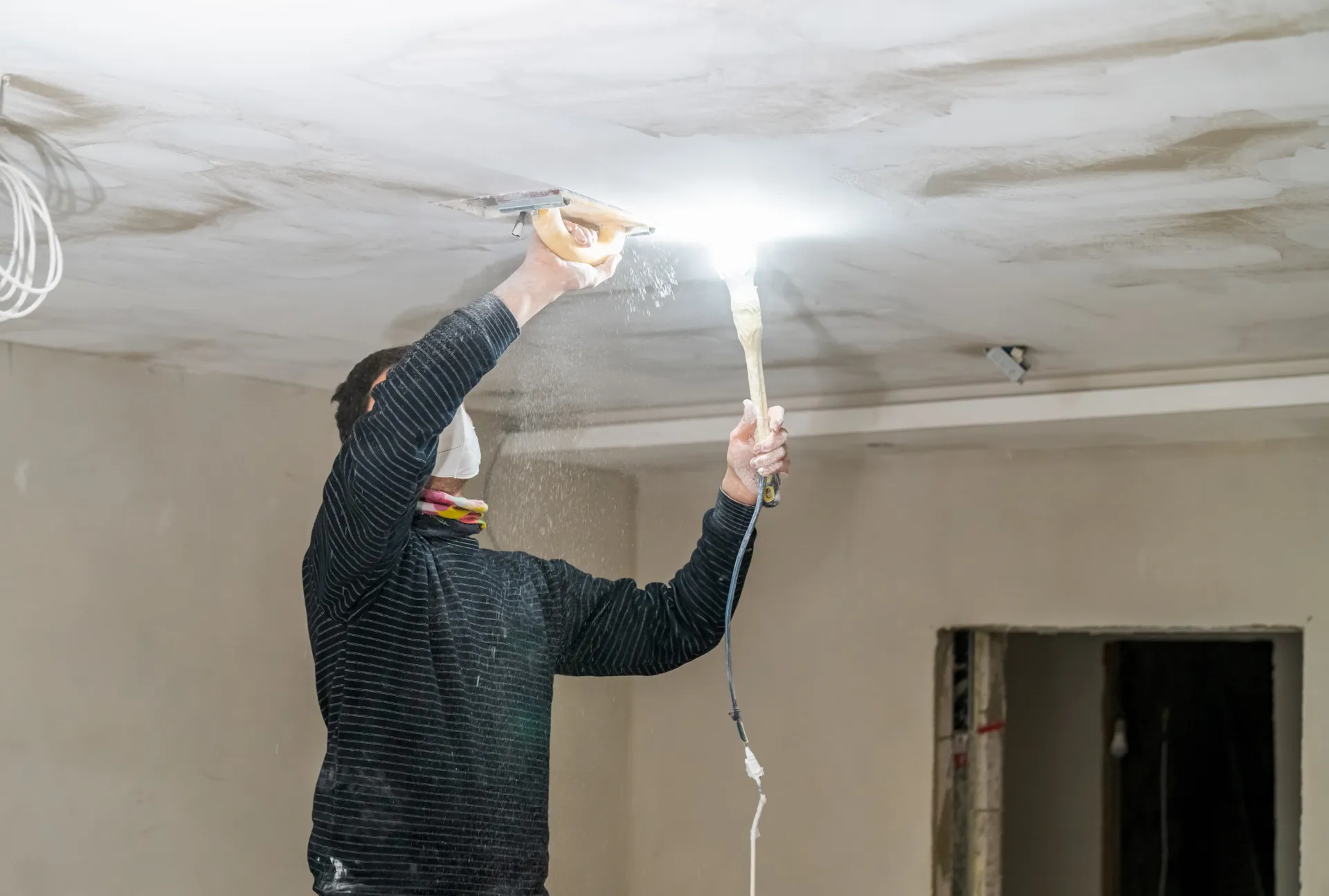
Popcorn ceilings were once the go-to texture in homes built between the 1950s and 1980s. Their bumpy, spray-on finish was prized for hiding imperfections and offering soundproofing benefits. But today, these ceilings are under scrutiny, not for their looks, but for what may be hidden inside.
Many older popcorn ceilings were made with asbestos, a hazardous material that can pose serious health risks when disturbed. If you live in an older home and are planning renovations, or if your ceiling is damaged, you may be wondering how to test for asbestos in popcorn ceiling material safely.
Here’s what you need to know.
Asbestos was commonly added to building materials for its fire-resistant and insulating properties. In ceiling textures, it helped the material adhere, resist mold, and last longer.
Unfortunately, it was later discovered that inhaling asbestos fibers can lead to serious illnesses, including:
These diseases are often linked to long-term exposure, but the risk increases significantly when asbestos-containing materials are disturbed—during sanding, scraping, or demolition, for example.
If your home was built before 1985, especially in the 1960s or 70s, there’s a strong chance the popcorn ceiling contains asbestos.
Even if your ceiling was painted over or partially removed, asbestos fibers may still be present beneath the surface.
Unfortunately, you can’t tell just by looking. Popcorn ceilings with or without asbestos can look exactly the same. However, you should be cautious if:
When in doubt, don’t touch the ceiling. Instead, proceed with safe testing.
If you’re wondering how to test for asbestos in popcorn ceiling material, here are your options:
This is the safest and most accurate route. A certified professional will:
Hiring a professional asbestos testing service is especially important if you suspect asbestos in multiple materials (like insulation or flooring) or if you’re planning a large-scale renovation.
Some homeowners opt for an asbestos test kit, which you can find at hardware stores or online. However, you’ll need to follow strict precautions:
If the ceiling is damaged or already releasing dust, don’t attempt DIY testing—call a pro.
If testing comes back positive, you have three main options:
You can seal the ceiling with a special paint or coating to keep asbestos fibers from becoming airborne.
Hiring a licensed asbestos abatement contractor is the safest way to remove and dispose of the material properly. This is recommended for ceilings that are crumbling or where renovations are planned.
If the ceiling is in good condition and won’t be disturbed, it may be safest to leave it untouched.
Popcorn ceilings may seem like a harmless design leftover, but in older homes, they could pose a serious health risk if they contain asbestos. If you’re unsure about what’s in your ceiling, or planning to renovate, testing is the first step to making an informed and safe decision.
When in doubt, trust the experts. A certified asbestos testing service can help you protect your family and move forward with confidence. Contact Farsight Today!

At Farsight Management we understand that not all indoor air quality companies are created equal.
We feel that it is imperative to educate ourselves, our employees, and our customers. You can trust that we follow all the national standards in regards to indoor air quality. This includes mold remediation, lead abatement, asbestos removal, and everything that we do.