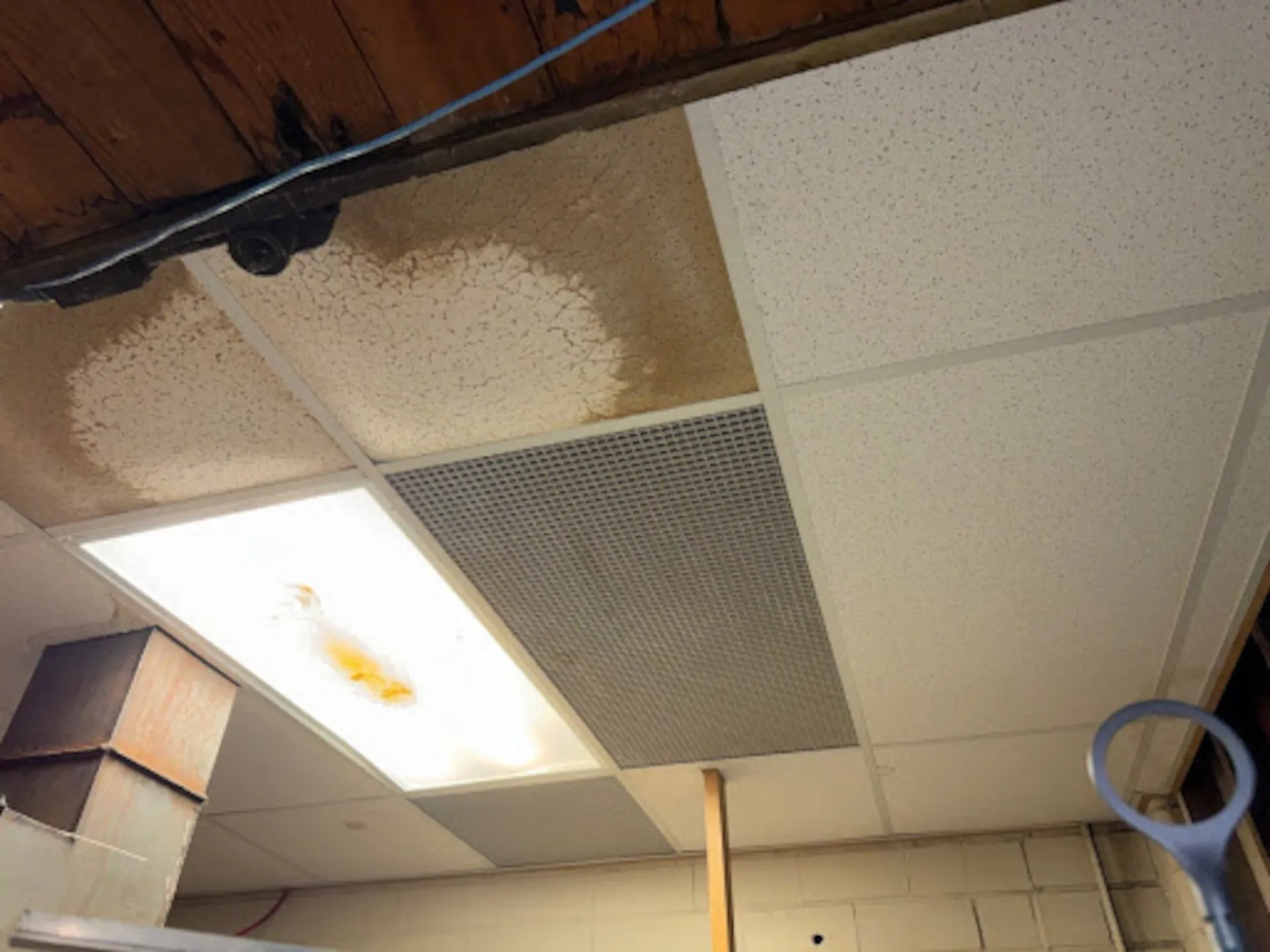
March in northeast Ohio feels like relief after a long winter. Snow begins to melt, temperatures rise, and families start opening windows again. But beneath the surface, spring thaw brings a hidden risk: basement moisture.
In Dover and the surrounding counties, snowmelt combined with early spring rain can overwhelm drainage systems and saturate soil around foundations. When that moisture seeps into basements, it creates the perfect conditions for green mold and other fungal growth.
For families with young children or unexplained health concerns, this is not something to ignore.
During winter, the ground is often frozen. When the snow begins to melt quickly, the water has nowhere to go. Instead of draining properly, it pools around foundations and seeps through:
Even minor water intrusion can raise basement humidity enough to support mold growth within 24 to 48 hours.
Because basements are naturally cooler and darker, they already provide an ideal environment for mold. Add moisture, and growth accelerates.
Homes within a 60-minute radius of Dover often share similar soil conditions and seasonal weather patterns. Clay-heavy soil retains water longer, increasing hydrostatic pressure against basement walls.
In newer, energy-efficient homes, tighter construction can also trap moisture indoors. If ventilation is limited and dehumidification is inconsistent, spring snowmelt can quietly raise indoor humidity to unsafe levels.
Many families don’t realize there’s a problem until they notice:
By the time mold is visible, moisture has likely been present for weeks.
Green mold is commonly found in damp basements and often appears on:
It thrives when humidity levels rise above 60 percent. Once established, it spreads through microscopic spores that circulate through the air.
If your basement air feels heavy or smells earthy after snow begins melting, that’s often your first warning sign.
The bigger concern is that the basement air doesn’t stay in the basement. Studies show that a significant portion of first-floor air originates from below-grade spaces. If mold spores are present downstairs, they can migrate upstairs, impacting overall indoor air quality.
Children breathe more air relative to their body weight than adults. They also spend time playing on floors and carpeting, where spores can settle.
Families who have experienced:
should consider environmental contributors.
Many people spend years searching for medical answers without evaluating the home environment. Moisture and mold are often overlooked.
Proactive inspection is key. Here’s what Dover-area homeowners should check:
If humidity rises above safe levels, run a dehumidifier consistently until conditions stabilize.
If visible green mold is present in an area larger than a small patch, avoid disturbing it. Scrubbing or dry sweeping can release spores into the air.
Small surface spots can sometimes be cleaned safely. However, if:
It’s time for a professional evaluation.
Mold removal in Dover should never focus solely on surface cleaning. Effective remediation identifies the moisture source, removes contaminated materials when necessary, and prevents recurrence.
Fogging alone or surface sprays are not long-term solutions. Without moisture correction, mold will return.
Snowmelt issues are predictable. Preventative measures now can protect your home next season:
These steps reduce long-term risk and protect both structural integrity and indoor air quality.
Spring snowmelt feels temporary, but the moisture it introduces can have lasting consequences. Green mold in basements is more than a cosmetic issue. It’s a sign that moisture control needs attention.
For Dover-area families, especially those with children or lingering health concerns, early detection and accurate assessment matter.
If your basement smells musty, feels damp, or shows signs of growth after snow begins melting, don’t wait for the problem to spread. Addressing moisture early protects your home and the people living in it. Contact Farsight Management today.

At Farsight Management we understand that not all indoor air quality companies are created equal.
We feel that it is imperative to educate ourselves, our employees, and our customers. You can trust that we follow all the national standards in regards to indoor air quality. This includes mold remediation, lead abatement, asbestos removal, and everything that we do.