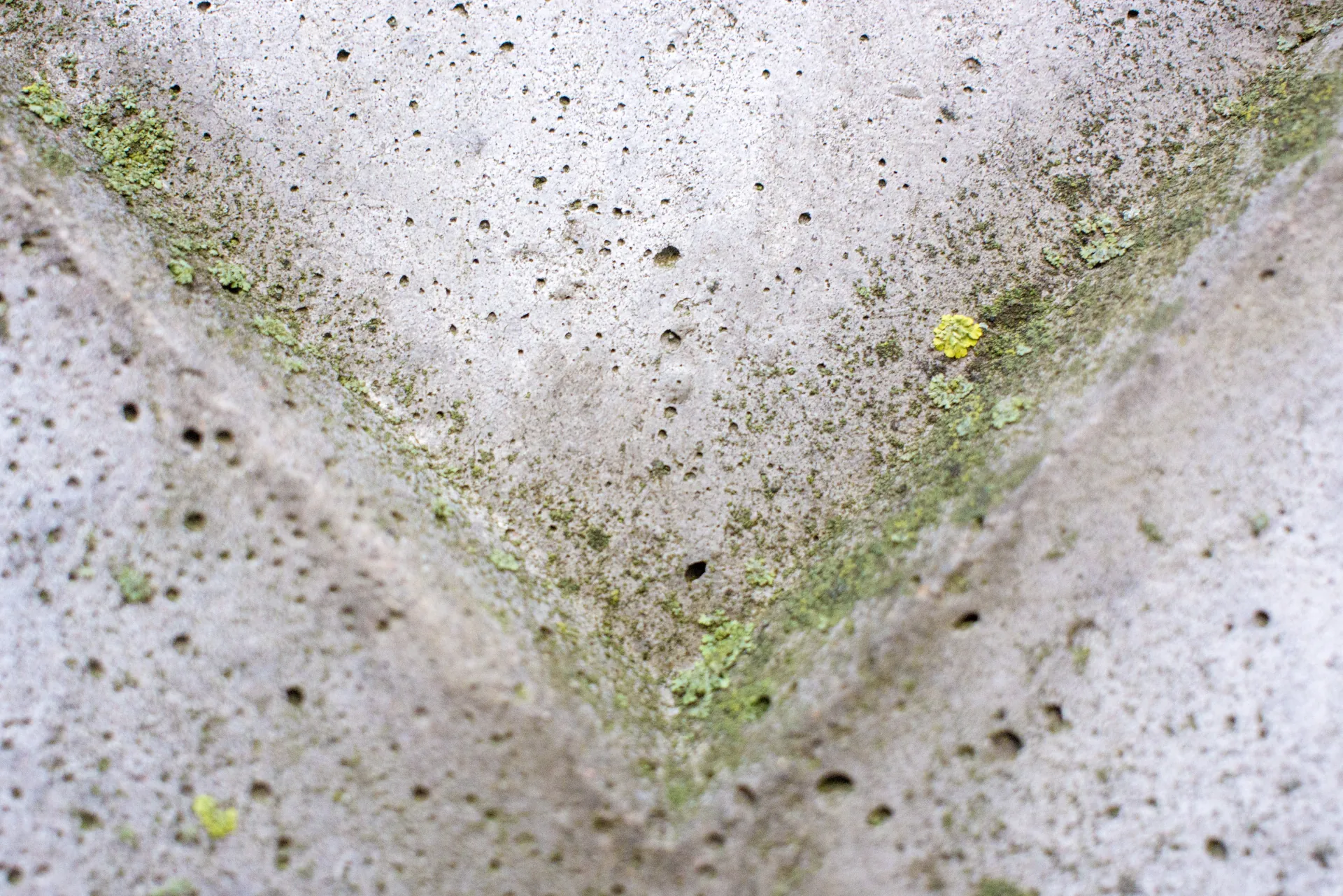
When most people think about mold, they picture black mold growing in a damp basement or bathroom. But mold comes in many colors, including green.
So, is green mold harmful?
In many cases, yes. While not every type of green mold produces toxins, any mold growth inside your home signals excess moisture and should be addressed.
In this guide, you'll learn what green mold is, where it grows, potential health risks, and how to prevent it from coming back.
"Green mold" is a general term used for several mold species that appear green in color. Common examples include Cladosporium, Aspergillus, and Penicillium.
These molds often develop in areas with excess moisture, including:
Green mold may appear powdery, fuzzy, or slimy depending on the surface and moisture levels. A musty odor often accompanies visible growth.
For a closer look at mold that commonly appears in bathrooms, read our guide on green mold in bathroom spaces.
Mold needs three things to grow:
Common moisture sources include:
Many homeowners notice green mold after periods of heavy rain, plumbing failures, or prolonged humidity. Poor ventilation can also contribute to mold growth by allowing moisture to remain trapped indoors.
While not every type of green mold produces toxins, any mold growth indoors should be taken seriously.
Potential concerns include:
Green mold may trigger:
People with asthma or other respiratory conditions may experience worsening symptoms when exposed to mold spores.
Some species of green mold can produce mycotoxins, chemical byproducts that may affect health after prolonged exposure. Learn more in our guide to mycotoxins and mold exposure.
Young children, older adults, and people with weakened immune systems may be more sensitive to mold exposure.
Rather than asking "Is green mold harmful?", a better question is:
"Why is mold growing here, and how can I stop it?"
Small areas of green mold (less than 10 square feet) can often be handled with DIY cleaning:
If the mold returns quickly or if the area is larger than a square yard, it’s time to call a professional. Recurring mold often signals deeper issues like hidden leaks, trapped moisture, or structural problems behind walls or under flooring.
To keep green mold from returning:
Preventing green mold isn’t just about cleaning. It’s about managing moisture.
Green mold may not receive as much attention as black mold, but it should never be ignored. Any visible mold growth is a sign that excess moisture is present, and addressing the source is just as important as removing the mold itself.
If green mold continues to return or you've noticed musty odors or allergy symptoms, a professional mold remediation evaluation can help determine the cause and recommend the next steps.

At Farsight Management we understand that not all indoor air quality companies are created equal.
We feel that it is imperative to educate ourselves, our employees, and our customers. You can trust that we follow all the national standards in regards to indoor air quality. This includes mold remediation, lead abatement, asbestos removal, and everything that we do.