Dehumidifiers are one of the most common recommendations homeowners hear when dealing with moisture problems. In many situations, they help. Lowering indoor humidity can reduce the conditions that mold needs to grow.
However, a dehumidifier is not a complete solution if mold has already taken hold.
If mold continues to return despite running a dehumidifier, there is usually a deeper moisture issue contributing to the problem. Understanding the difference between humidity control and proper remediation is important for protecting both your home and your indoor air quality.
If you're already dealing with visible mold or recurring moisture problems, professional mold remediation services may be necessary to address the root cause.
Many homes experience the perfect combination of moisture, limited airflow, and building materials that allow mold to thrive.
Common problem areas include:
Moisture often comes from hidden sources such as:
A dehumidifier removes excess moisture from the air. Keeping indoor humidity between 30 and 50 percent makes the environment less favorable for mold growth.
Dehumidifiers can be especially beneficial in:
They also help reduce musty odors and improve overall comfort. As explained in our article on The Impact of Summer Humidity on Mold Growth, controlling indoor moisture is one of the best ways to reduce the risk of future mold growth.
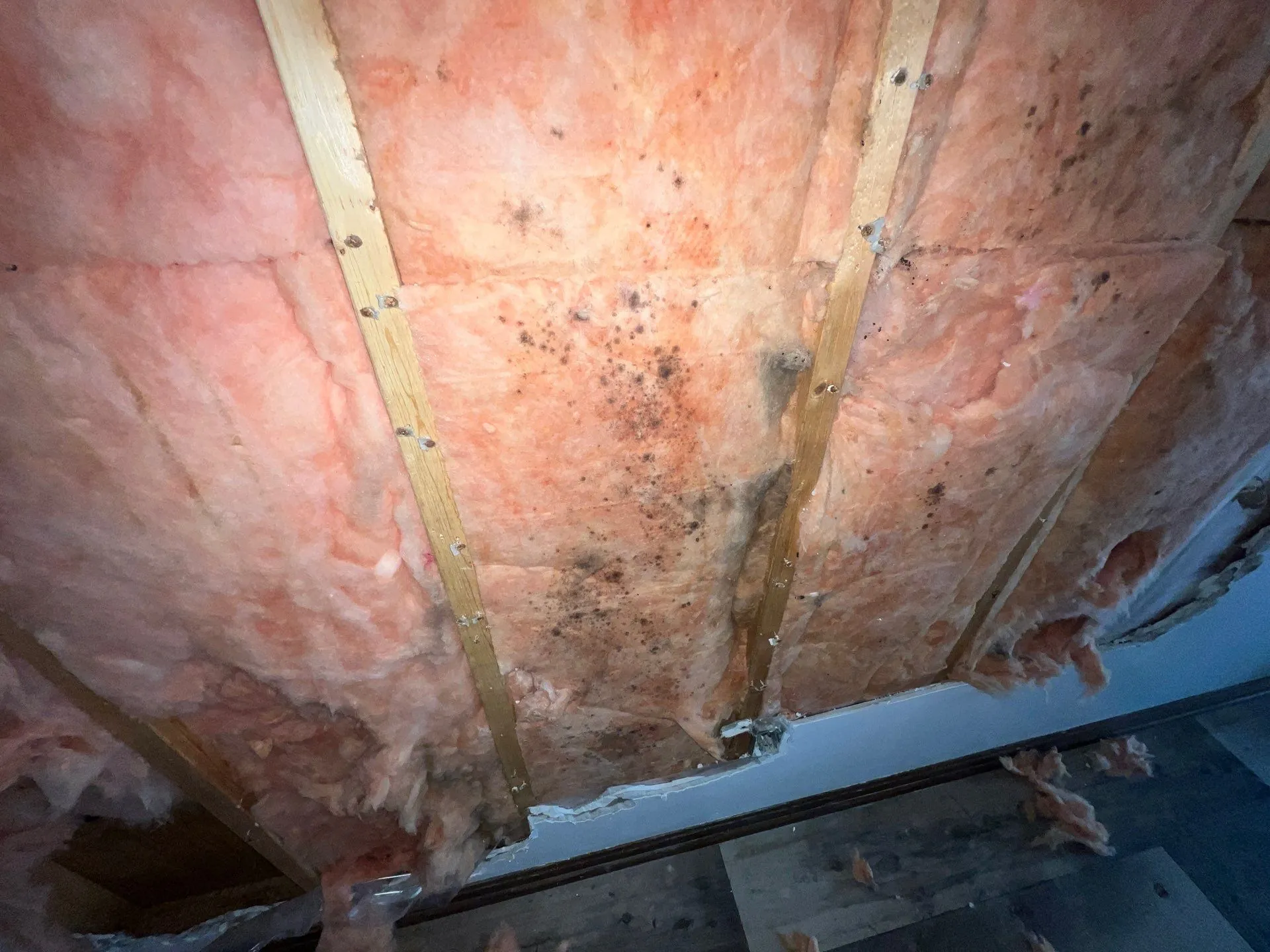
A dehumidifier only controls moisture in the air. It cannot eliminate the underlying causes of mold or remove contamination that already exists.
It cannot fix:
If mold has already colonized building materials, lowering humidity may slow future growth, but it will not remove the existing contamination.
This is why many homeowners continue noticing:
Until the moisture source is corrected and the mold is properly removed, the problem often continues.
One of the biggest misconceptions about mold is that you will always see it.
In reality, mold frequently grows:
A dehumidifier cannot access these hidden areas.
Professional remediation often starts by identifying where moisture is coming from instead of simply cleaning visible mold. In many cases, an indoor mold inspection helps determine whether hidden contamination is present.
You should consider a professional evaluation if:
A thorough assessment can identify hidden leaks, ventilation problems, and mold growing inside building materials before the damage becomes more extensive.
Many homeowners combine dehumidifiers with bleach or surface sprays. Unfortunately, this often addresses only visible growth.
Mold roots can remain embedded in porous materials long after the surface appears clean. As discussed in our article on Fogging for Mold, treatments that only address surface symptoms rarely solve the underlying moisture problem.
Effective remediation focuses on:
Without these steps, mold frequently returns.
Even though dehumidifiers are not complete solutions, they still play an important role in prevention.
Homeowners can reduce risk by:
Moisture prevention remains the foundation of long-term mold control.
Dehumidifiers are valuable tools for controlling humidity, but they cannot eliminate mold that has already spread into walls, flooring, insulation, or other building materials.
If mold continues returning or you notice persistent musty odors, the problem may extend beyond what humidity control alone can solve. Identifying the source of moisture and addressing existing contamination is the best way to create a healthier indoor environment and help prevent mold from returning.

At Farsight Management we understand that not all indoor air quality companies are created equal.
We feel that it is imperative to educate ourselves, our employees, and our customers. You can trust that we follow all the national standards in regards to indoor air quality. This includes mold remediation, lead abatement, asbestos removal, and everything that we do.