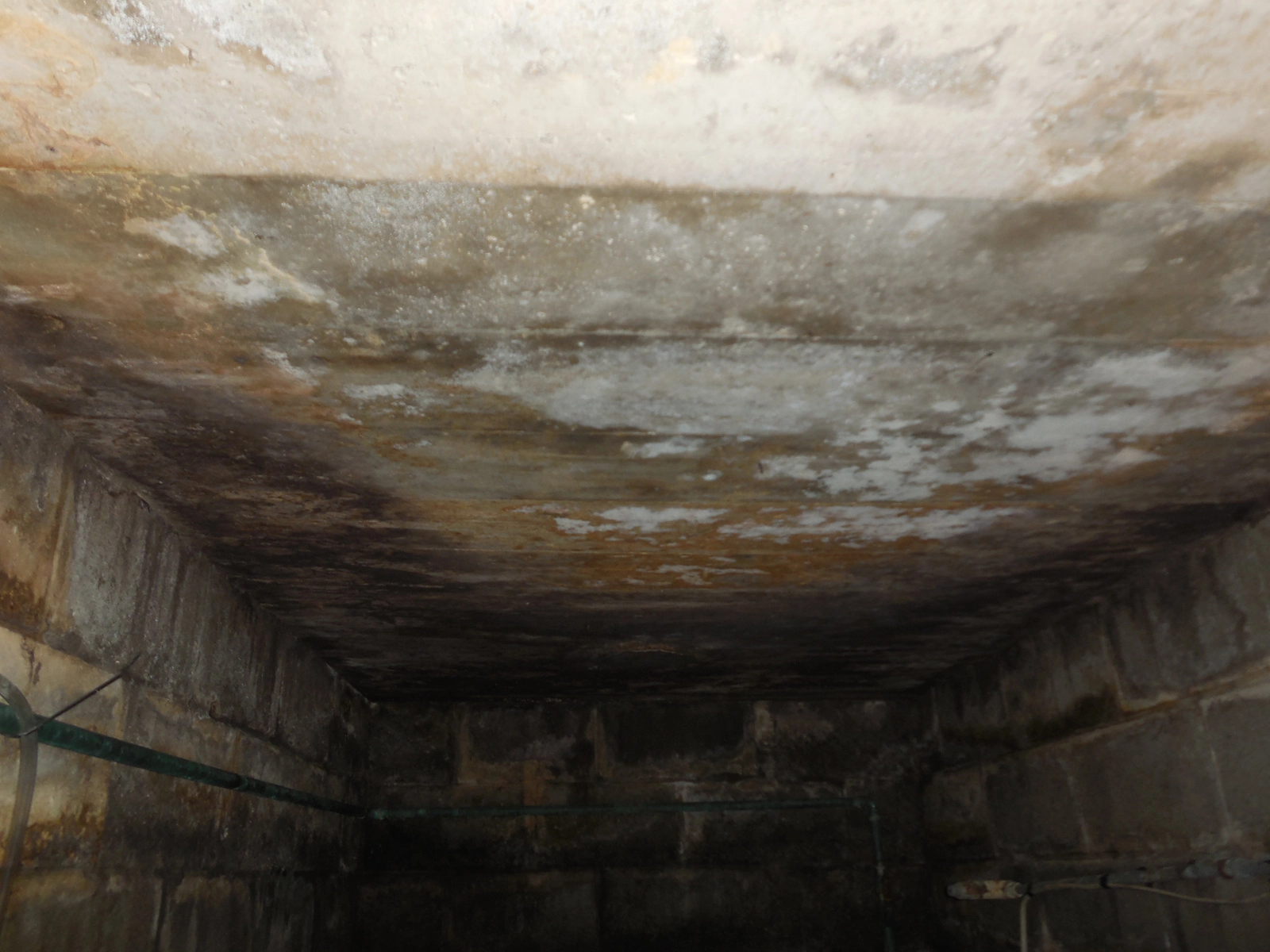
When most homeowners think about home maintenance, they focus on what’s visible: roofs, windows, HVAC systems, and interior finishes. But one of the most overlooked and potentially damaging areas of the home is one you rarely see: the crawl space.
Hidden beneath your feet, your crawl space plays a major role in the health, stability, and efficiency of your home. And when moisture creeps in, as it often does, it can lead to serious issues like mold growth, wood rot, structural damage, and poor indoor air quality.
If you’ve never inspected your crawl space or thought about the impact of moisture below your home, now’s the time to get informed. Here’s what you need to know about crawl space moisture and how to protect your home from it.
Crawl spaces are partially enclosed areas between the ground and the first floor of your home. They’re designed to allow access to plumbing, wiring, and HVAC ductwork—but they’re also prime environments for excess moisture to take hold.
Because crawl spaces are dark, humid, and often poorly ventilated, they can harbor moisture problems for months or even years before homeowners notice.
While crawl space moisture might not affect your day-to-day living space directly, it can cause a domino effect of issues throughout your home.
Moisture creates an ideal environment for mold and mildew, which can spread through floorboards and into your living areas. Mold spores can also enter your HVAC system and circulate throughout the house, impacting indoor air quality and triggering health issues.
Persistent moisture can lead to wood rot in joists, beams, and subflooring. Over time, this compromises the structural integrity of your home and can lead to sagging floors or costly repairs.
Damp crawl spaces attract pests like termites, carpenter ants, rodents, and cockroaches. These unwanted guests thrive in moist environments and can cause further damage to insulation, wiring, and wood framing.
Moisture in crawl spaces can reduce insulation effectiveness and cause your HVAC system to work harder. This leads to increased heating and cooling costs, especially in extreme weather.
Studies suggest that up to 50% of the air on the first floor of your home can originate from the crawl space. If that air is carrying mold spores, dust, or bacteria, it directly impacts the health of the people living upstairs.
Because crawl spaces are out of sight, the signs of trouble are often subtle or overlooked. Pay attention to the following warning signs:
If you notice any of these signs or if your home has a history of drainage issues, it’s worth taking a closer look below.
Preventing moisture buildup in your crawl space is one of the most cost-effective ways to protect your home from long-term damage. The right solution depends on your crawl space type, climate, and the severity of the moisture issue.
A vapor barrier is a thick plastic sheet placed on the ground to prevent moisture from rising into the crawl space. This is one of the most basic and essential steps in moisture control.
In many homes, old-fashioned crawl space vents actually contribute to humidity problems. Sealing the vents and encapsulating the crawl space helps regulate conditions year-round.
Make sure gutters and downspouts are functioning properly and directing water away from the foundation. Regrading the soil around the home can also reduce groundwater intrusion.
A crawl space dehumidifier can help keep humidity levels in check, especially in humid climates or homes with a history of moisture problems.
Inspect plumbing lines and HVAC ducts in your crawl space regularly. Even small leaks can lead to major issues if left unaddressed.
If you suspect hidden moisture or damage, a professional crawl space inspection can uncover issues you can’t see, and help you decide on the best remediation plan.
Crawl space moisture is more than a hidden nuisance. It’s a threat to your home’s health and stability. Left unchecked, it can lead to mold, pests, structural damage, and rising energy costs. But with a proactive approach and the right preventive measures, you can eliminate the risk and protect your home from the ground up.
If it’s been a while since anyone checked your crawl space, or if you’ve noticed musty smells or soft floors, it might be time to take a closer look. What’s going on beneath your home could be telling you more than you think.

At Farsight Management we understand that not all indoor air quality companies are created equal.
We feel that it is imperative to educate ourselves, our employees, and our customers. You can trust that we follow all the national standards in regards to indoor air quality. This includes mold remediation, lead abatement, asbestos removal, and everything that we do.