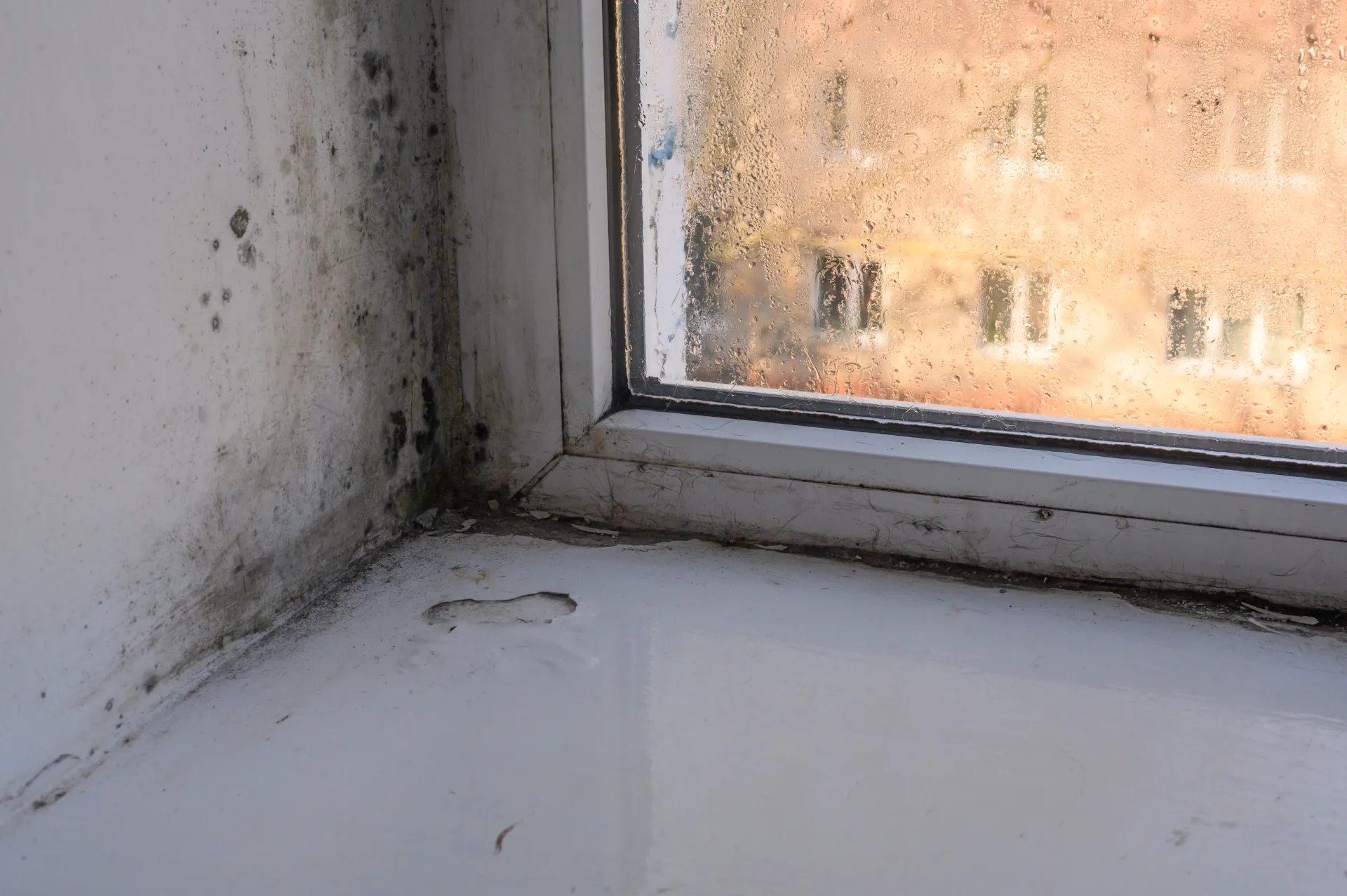
Bathrooms already deal with moisture, warmth, and low ventilation, but during and after the holidays, these conditions often get worse. It’s no surprise that January is one of the most common times of year for green mold to show up in bathrooms.
In this post, we’ll look at why green mold in bathrooms is so prevalent this time of year, what makes it different from other types of mold, and what homeowners can do to prevent it.
Mold grows when three conditions are met: moisture, warmth, and an organic surface to feed on. Bathrooms offer all of these in abundance, especially if the exhaust fan is weak, plumbing leaks are left unchecked, or towels and rugs stay damp. For more on common bathroom triggers, see Top Causes of Bathroom Mold.
Green mold in bathrooms typically appears in grout lines, behind or under sinks, on ceiling corners, or around the edges of tubs and showers. It’s not just ugly. It can also trigger allergies, worsen asthma, and indicate deeper moisture problems.
The winter season brings a unique set of conditions that encourage mold growth, especially in Ohio homes:
These factors combine to create ideal conditions for green molds to thrive, especially in bathrooms that are already at risk.
Green mold isn't one specific type of fungus. It’s a general term for any mold that appears green in color. Common types include Cladosporium, Penicillium, and Aspergillus. Some green molds are relatively harmless to healthy individuals, while others can produce allergens or even mycotoxins in certain conditions.
If you notice green mold in your bathroom, it’s important to treat it seriously. Even if it’s not toxic, it’s still a sign of excessive moisture, and that’s a problem that won’t resolve itself.
If the affected area is small (less than 10 square feet), you can typically clean it yourself:
Be sure to wear gloves and ventilate the space while cleaning. If you have respiratory issues, wear a mask rated for mold protection.
For larger areas or mold that keeps returning, call a certified mold remediation professional. Recurring mold often indicates leaks or moisture inside the walls or under the floor, which are areas that can’t be treated effectively without inspection and structural drying. (Learn what that process can look like on our Mold Inspection & Removal Services page.)
Preventing mold requires long-term moisture control. Here are some practical strategies:
Also consider using a humidity sensor or hygrometer to monitor bathroom conditions, especially in homes with poor natural airflow. If you're worried about what you're breathing beyond the bathroom, consider Indoor Air Quality Testing.
Green mold in bathrooms is more than just a seasonal annoyance—it’s a sign that moisture levels are out of balance. January brings the perfect storm of conditions that allow mold to appear, but with consistent ventilation, humidity control, and prompt cleaning, you can stay ahead of it.
If you’re dealing with recurring mold in your bathroom or elsewhere in your home, it may be time for a professional moisture and mold assessment. Contact Farsight Management to schedule a visit.

At Farsight Management we understand that not all indoor air quality companies are created equal.
We feel that it is imperative to educate ourselves, our employees, and our customers. You can trust that we follow all the national standards in regards to indoor air quality. This includes mold remediation, lead abatement, asbestos removal, and everything that we do.