As temperatures begin to drop in Northeast Ohio, most homeowners start thinking about furnaces, gutters, and getting their homes ready for winter. But there’s another area worth checking before cold weather settles in: the attic.
Your attic plays an important role in controlling heat and moisture throughout your home. When attic ventilation isn't working properly, warm, moisture-filled air can become trapped. Add colder outdoor temperatures, and you have conditions that can lead to condensation and eventually mold growth.
Taking a closer look at your attic this fall can help you catch moisture problems before they turn into a much larger issue over the winter.
During warmer months, attic moisture problems may be less noticeable. Once temperatures begin fluctuating in the fall, conditions change.
Warm air from your living space naturally rises. If that air contains moisture from showers, cooking, laundry, or everyday activities, it can make its way into the attic through gaps and openings.
When warm, humid air reaches colder surfaces, condensation can form on roof decking, nails, rafters, and other building materials.
One small amount of condensation doesn't necessarily mean you have a mold problem. But repeated or prolonged moisture can create an environment where mold can grow.
Proper attic ventilation helps move warm, humid air out of the attic while allowing fresh outdoor air to circulate through the space.
A properly designed system typically uses intake and exhaust vents working together. Problems can develop when vents are blocked, covered by insulation, improperly installed, or simply inadequate for the home's design.
Common attic ventilation problems include:
Even if your home has vents, that doesn't necessarily mean the attic ventilation system is functioning as intended.
You don't need to wait until you see widespread mold to recognize that something may be wrong.
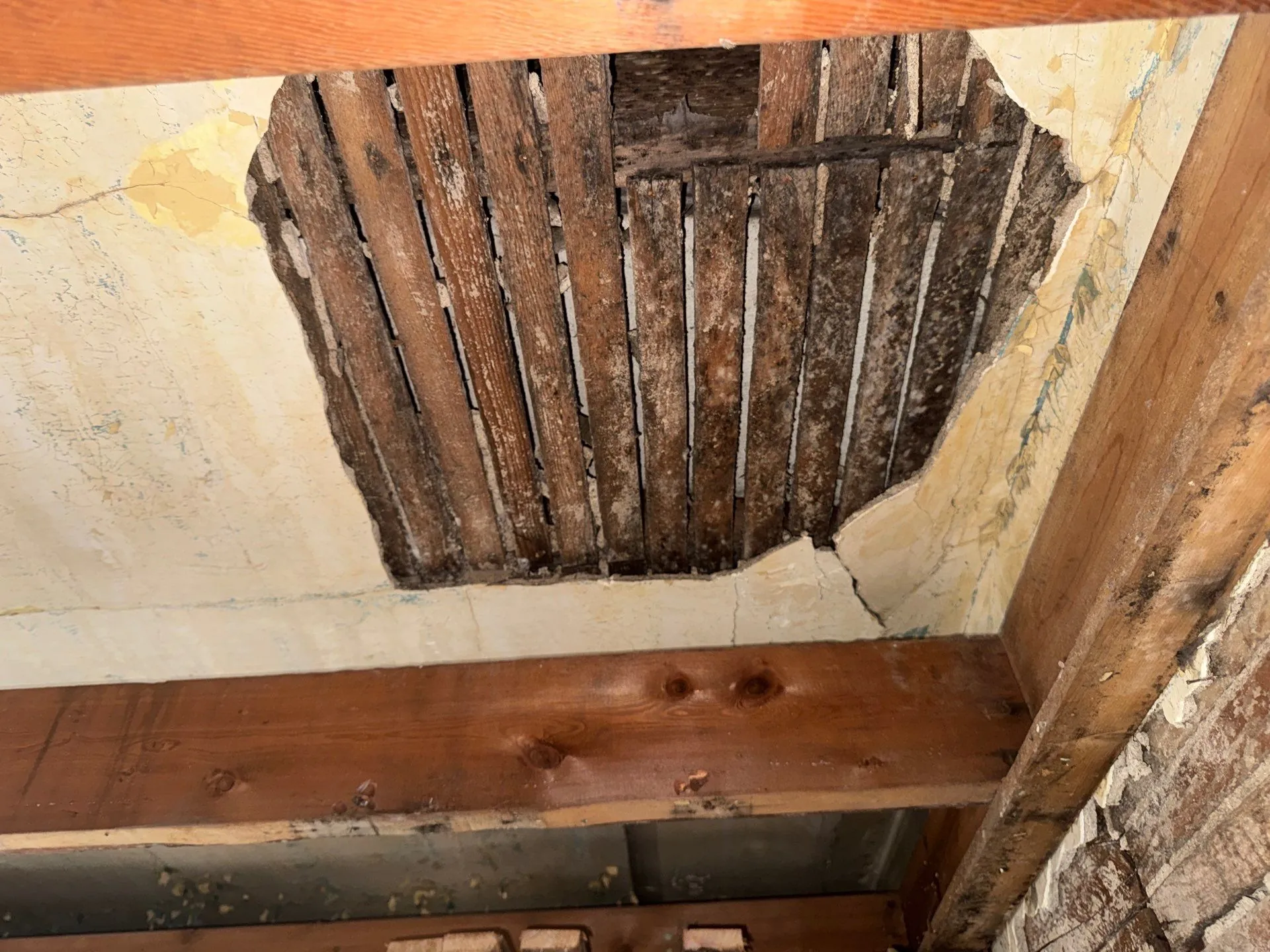
During the fall, pay attention to signs such as musty odors, dark discoloration on roof decking, damp insulation, water staining, or condensation on nails and other metal surfaces.
You may also notice evidence of previous moisture, even if everything feels dry when you check.
Another important clue is what's happening inside the home. Persistent condensation around windows, unusually high indoor humidity, or recurring moisture problems may indicate that excess humidity isn't being managed effectively.
However, not every stain or dark spot is mold. A professional assessment can help determine what you're actually seeing and identify the source of the problem.
One issue that's easy to overlook is where bathroom exhaust fans actually send moisture.
Ideally, the moist air generated during showers should be exhausted completely outside the home. If a bathroom fan vents directly into the attic, it can continuously introduce warm, humid air into a cold space.
Over time, that moisture can collect on roof decking and other surfaces.
If you're already checking your attic this fall, take a moment to determine where bathroom and kitchen exhaust systems terminate. Correcting a ventilation problem now may help prevent months of unnecessary moisture accumulation.
If you discover what appears to be mold, resist the temptation to simply spray or wipe it away.
Mold growth is usually a symptom of a moisture problem. Cleaning the visible growth without identifying why the attic became damp can leave the underlying problem unresolved.
The source could be inadequate attic ventilation, an exhaust fan terminating in the wrong location, a roof leak, air leakage from the living space, or another moisture issue.
This is where a professional assessment becomes valuable.
For homeowners looking for mold remediation in Akron, Ohio, or surrounding Northeast Ohio communities, the first priority should be understanding why mold developed. Once the source is identified, an appropriate remediation plan can address both the contamination and the conditions contributing to it.
Attic mold can go unnoticed because most homeowners don't spend much time in their attics. By the time a problem is discovered, moisture may have been accumulating for months or even years.
Fall provides a good opportunity to be proactive.
Before winter, consider checking that vents are unobstructed, bathroom exhaust fans terminate outdoors, roof leaks have been repaired, and insulation isn't interfering with airflow. Keeping indoor humidity under control can also reduce the amount of moisture entering the attic.
For more ways to manage moisture throughout your home, Farsight’s Mold Prevention and Moisture Control Guide covers practical steps homeowners can take to reduce conditions that support mold growth.
These relatively simple checks can help prevent a small ventilation issue from becoming a larger mold problem.
Your attic may be out of sight, but it shouldn't be completely out of mind.
Proper attic ventilation helps manage moisture, protect building materials, and reduce conditions that support mold growth. As cooler weather arrives in Northeast Ohio, checking the attic now gives you an opportunity to address problems before winter makes them worse.
If you've noticed musty odors, unusual staining, condensation, or suspected mold in your attic, Farsight can help determine what's happening and why.
A professional assessment can identify potential moisture sources and help you understand the appropriate next steps for your home.

At Farsight Management we understand that not all indoor air quality companies are created equal.
We feel that it is imperative to educate ourselves, our employees, and our customers. You can trust that we follow all the national standards in regards to indoor air quality. This includes mold remediation, lead abatement, asbestos removal, and everything that we do.