
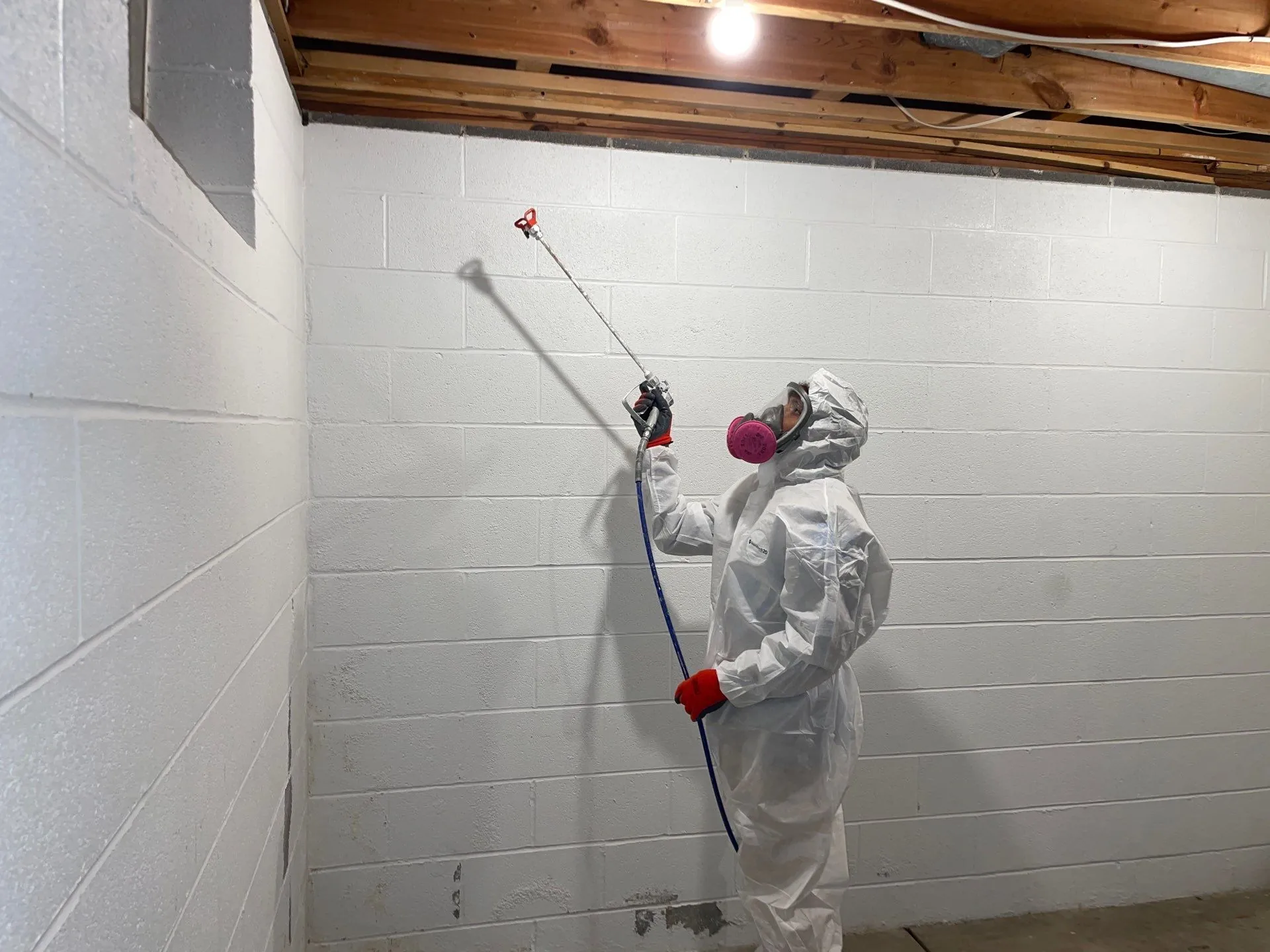
Mold prevention starts with moisture control.
Mold needs moisture to grow, which is why leaks, high humidity, condensation, poor ventilation, and water intrusion are often behind indoor mold problems. In Ohio, changing seasons can make moisture control especially challenging. Humid summers, heavy rain, snowmelt, and tightly closed homes during winter can all affect conditions indoors.
The good news is that many moisture problems can be identified and corrected before they turn into larger mold issues.
This guide covers common sources of moisture, areas of the home worth monitoring, and practical steps homeowners can take to reduce the risk of mold growth.
Already dealing with visible mold? Learn about our Mold Remediation & Removal Services
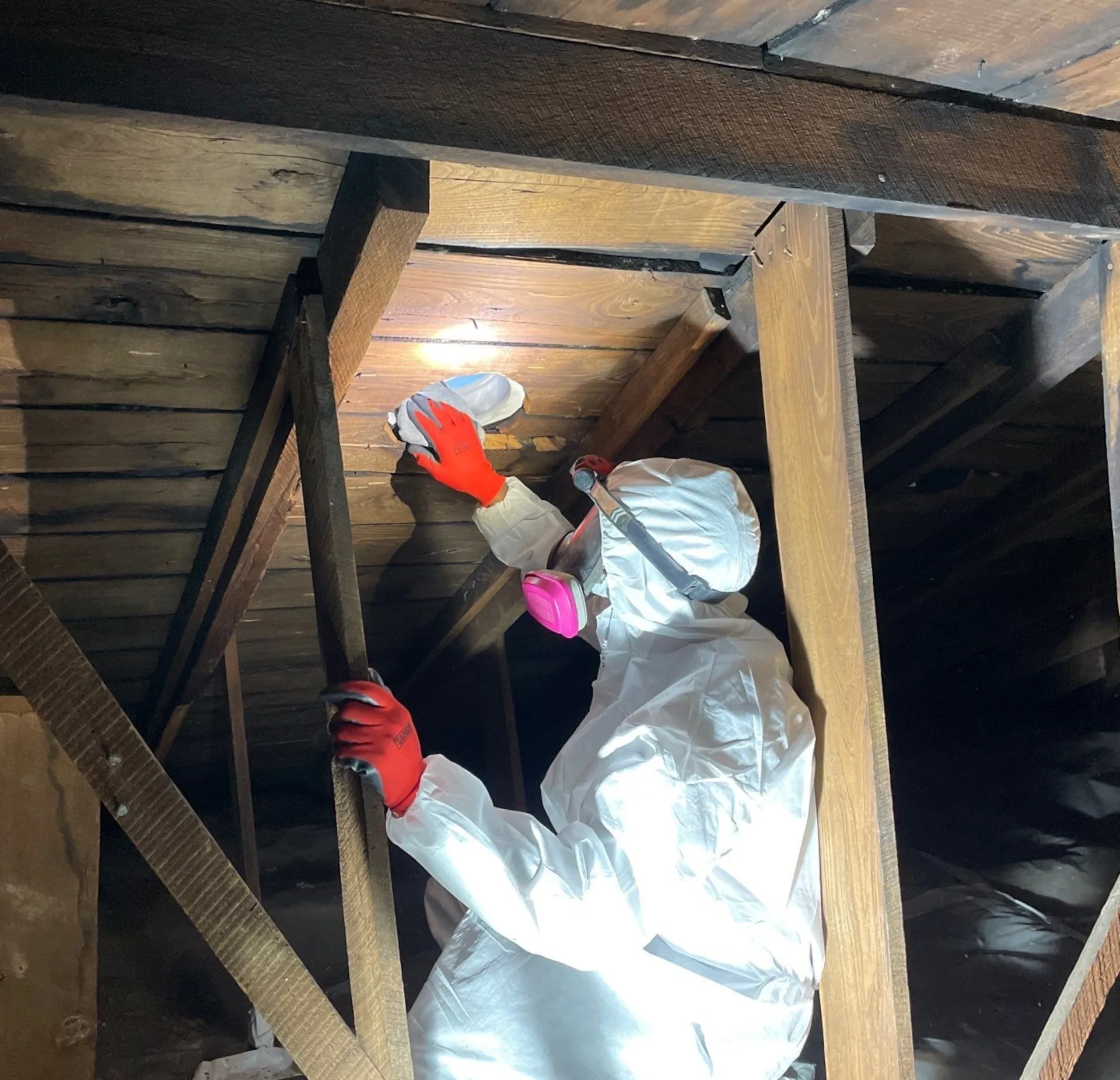
Some moisture is a normal part of everyday life. Cooking, showering, doing laundry, and even seasonal weather changes can increase indoor humidity.
Problems begin when moisture cannot dry or escape.
Common sources include:
Because moisture can become trapped behind walls, beneath flooring, and above ceilings, the source of a mold problem is not always obvious.
Not familiar with terms such as relative humidity, mold spores, or containment? Visit our Mold Glossary for simple explanations of common mold and indoor air quality terms.
Certain parts of a home deserve extra attention because they naturally collect more moisture.
Certain parts of a home deserve extra attention because they naturally collect more moisture.
Learn More: Basement Moisture Control: Common Mold Hazards
Ground moisture, poor drainage, plumbing leaks, and humid outdoor air can create damp conditions beneath a home. Because crawl spaces are rarely visited, problems may go unnoticed.
Learn More: Crawl Space Moisture: The Hidden Threat Below Your Home
Showers and baths regularly add moisture to the air. Exhaust fans, plumbing maintenance, and allowing wet surfaces to dry can help reduce persistent moisture.
Learn More: Top Causes of Mold in Bathrooms & How to Fix Them
Roof leaks, insulation problems, and poor ventilation can allow moisture to collect in an attic. Condensation can also develop when warm indoor air reaches colder surfaces.
Learn More: Attic Ventilation Mistakes That Can Lead to Mold
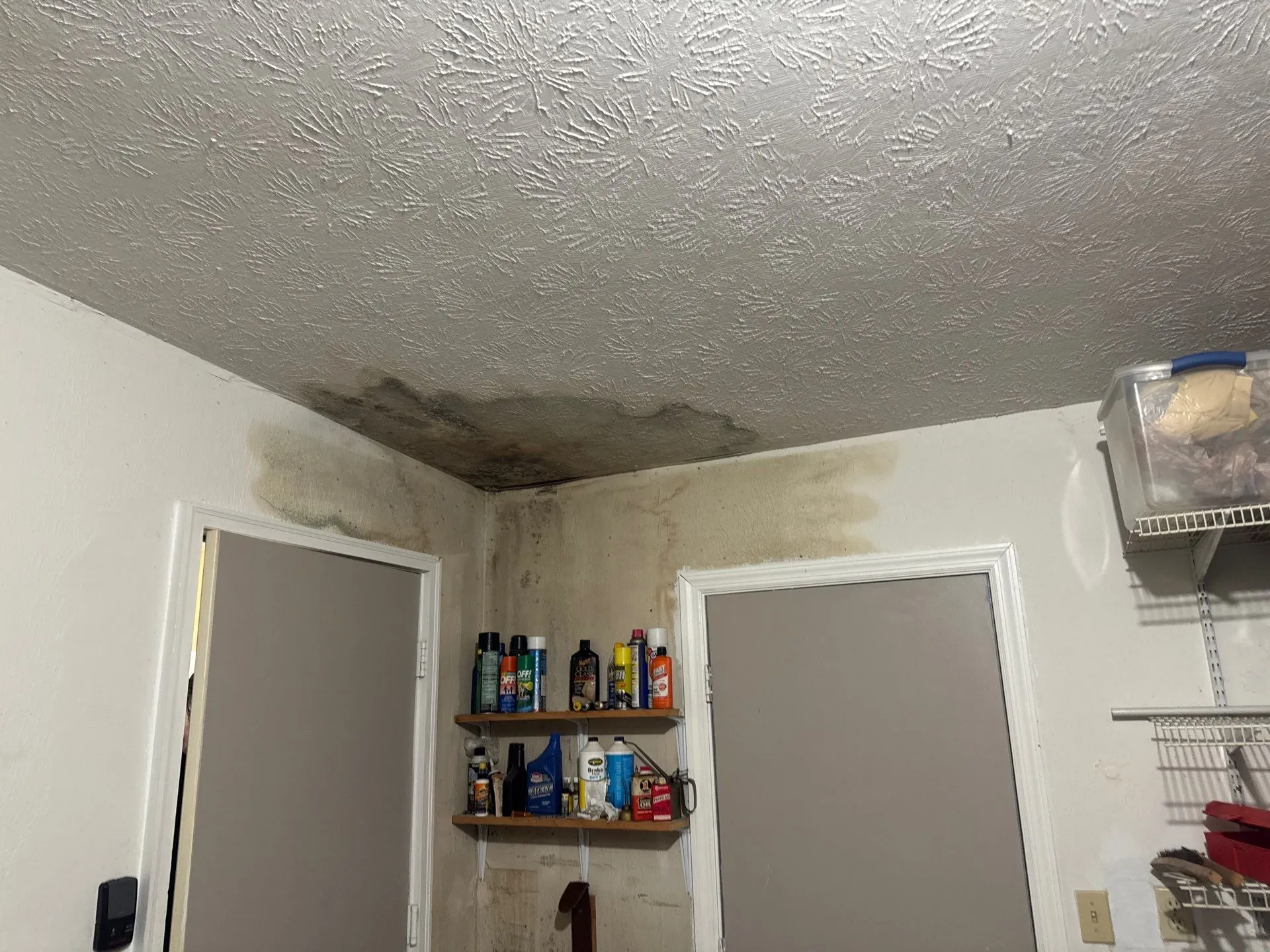
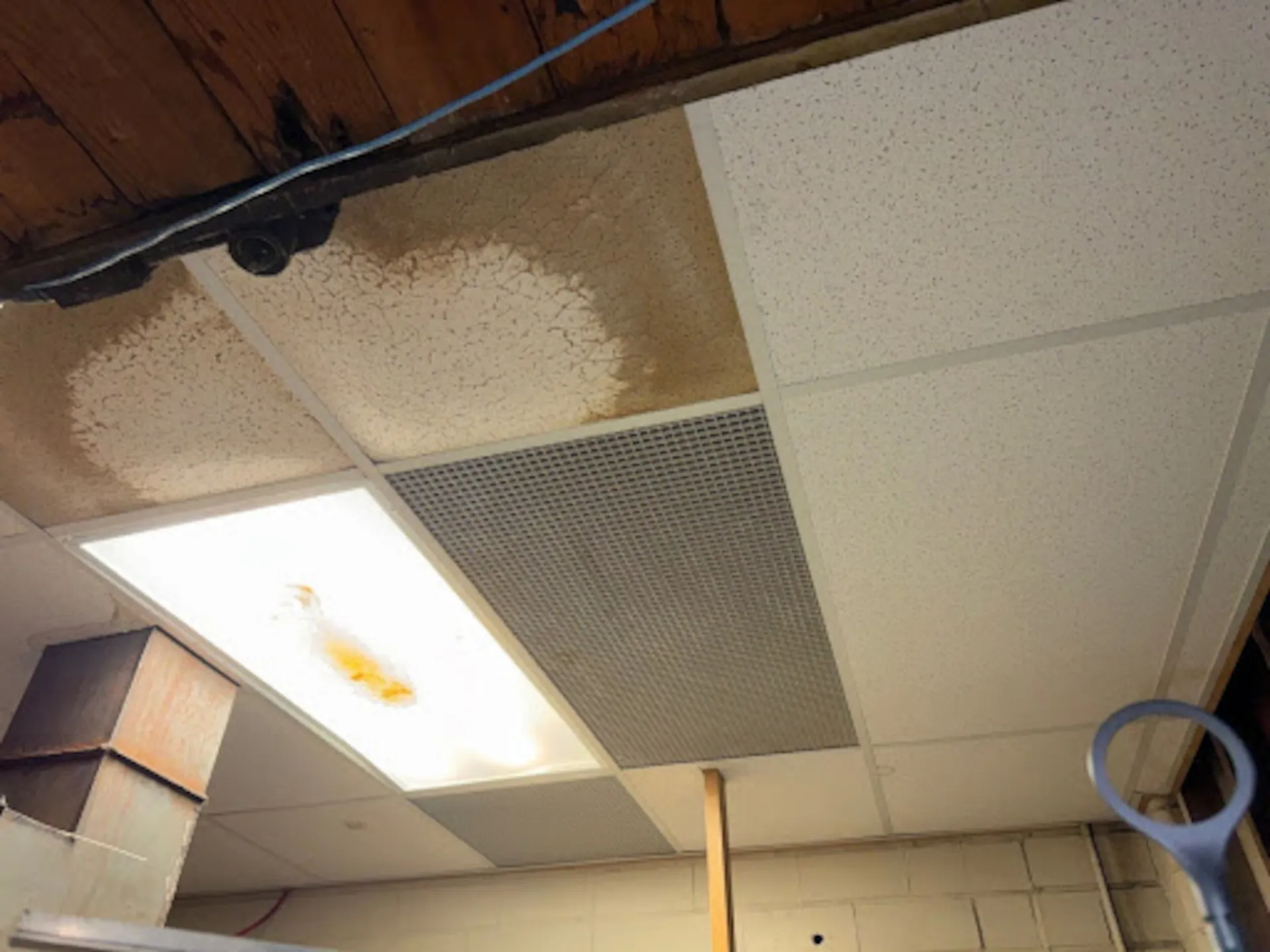
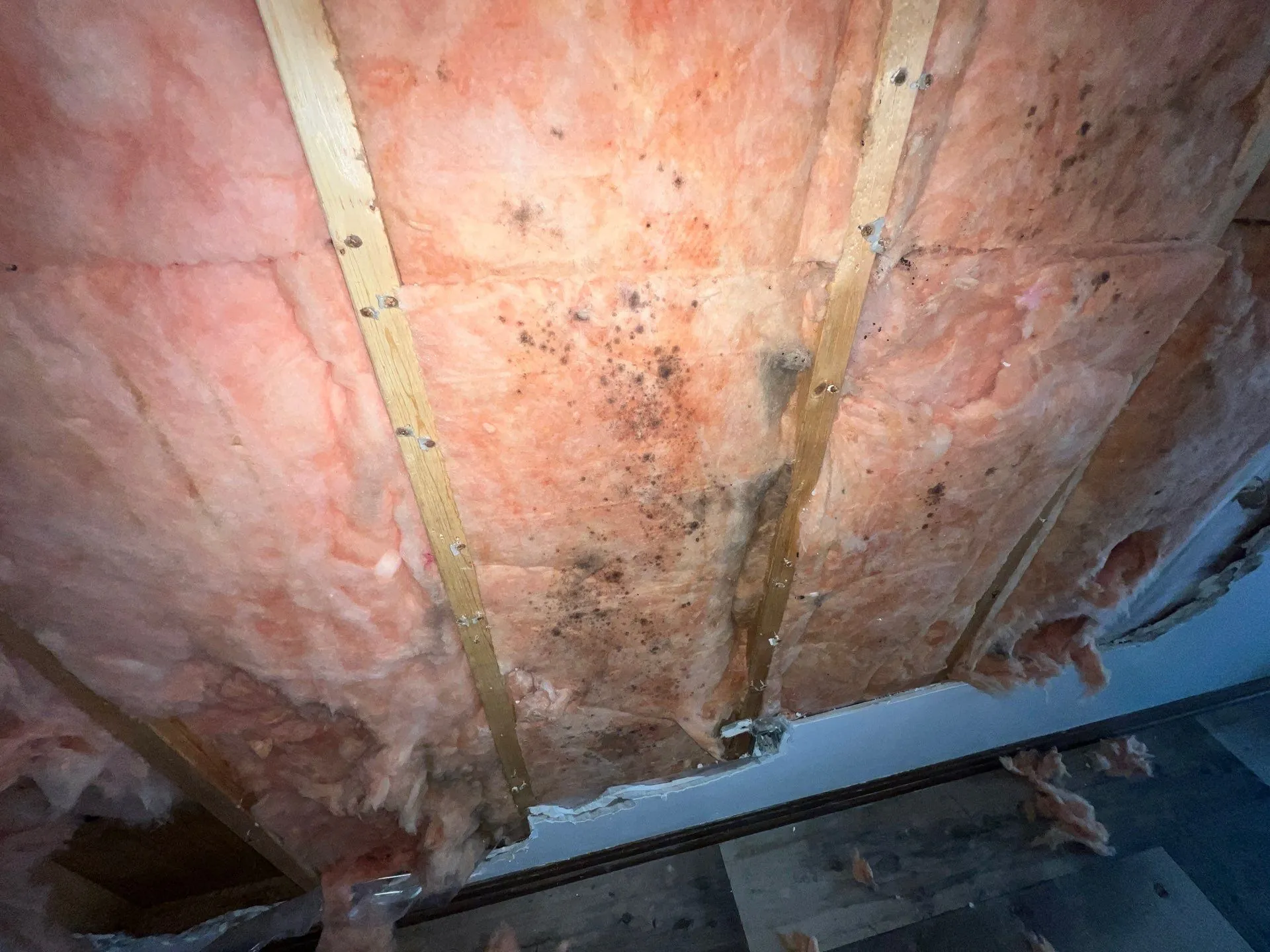
You do not need to wait until mold appears to pay attention to moisture.
A few routine habits can make a significant difference:
Repair plumbing leaks, roof leaks, and appliance leaks as soon as they are discovered. Check gutters and downspouts regularly and make sure water is being directed away from the foundation.
Use bathroom and kitchen exhaust fans when producing moisture. Make sure vents discharge properly and aren't blocked.
Poor airflow can allow humid air to remain in an area longer than it should.
Learn More: How Poor Ventilation Leads to Mold Growth
A humidity monitor can help identify areas where moisture levels remain elevated. Basements, bathrooms, laundry rooms, and crawl spaces are good places to watch.
A dehumidifier may help control humidity in damp areas, but it should not be treated as a solution for an existing mold problem or an unresolved water source.
Learn More: Why a Dehumidifier Alone Won’t Solve a Mold Problem
Recurring condensation on windows, pipes, walls, or other surfaces can indicate excess humidity or temperature differences that need attention.
Periodically inspect attics, basements, crawl spaces, beneath sinks, around appliances, and other areas where leaks or moisture may develop unnoticed.
Moisture problems do not always begin with visible mold.
A recurring problem is especially important. If mold repeatedly appears in the same location, simply cleaning the surface may not address the moisture source.


Moisture control can help prevent mold, but it does not necessarily remove mold that is already established.
Once mold is growing inside drywall, insulation, carpeting, or other materials, the affected area may require professional remediation. The moisture source also needs to be identified and corrected so the problem does not simply return.
Professional mold remediation may involve containment, air filtration, removal of contaminated materials, cleaning, and verification after the work is complete.
Learn More About the Process: Mold Removal: What Homeowners Should Expect
Or visit our Mold Remediation & Removal Services if you are currently dealing with a mold problem.
Mold prevention is less about treating mold and more about controlling the conditions that allow it to grow.
Stay alert for leaks, monitor humidity, maintain ventilation, and pay attention to areas where moisture tends to collect. Addressing small moisture problems early can help prevent them from becoming larger problems later.
If you're unsure whether moisture or mold is affecting your property, Farsight Management can evaluate the conditions in your home and help determine the appropriate next steps.