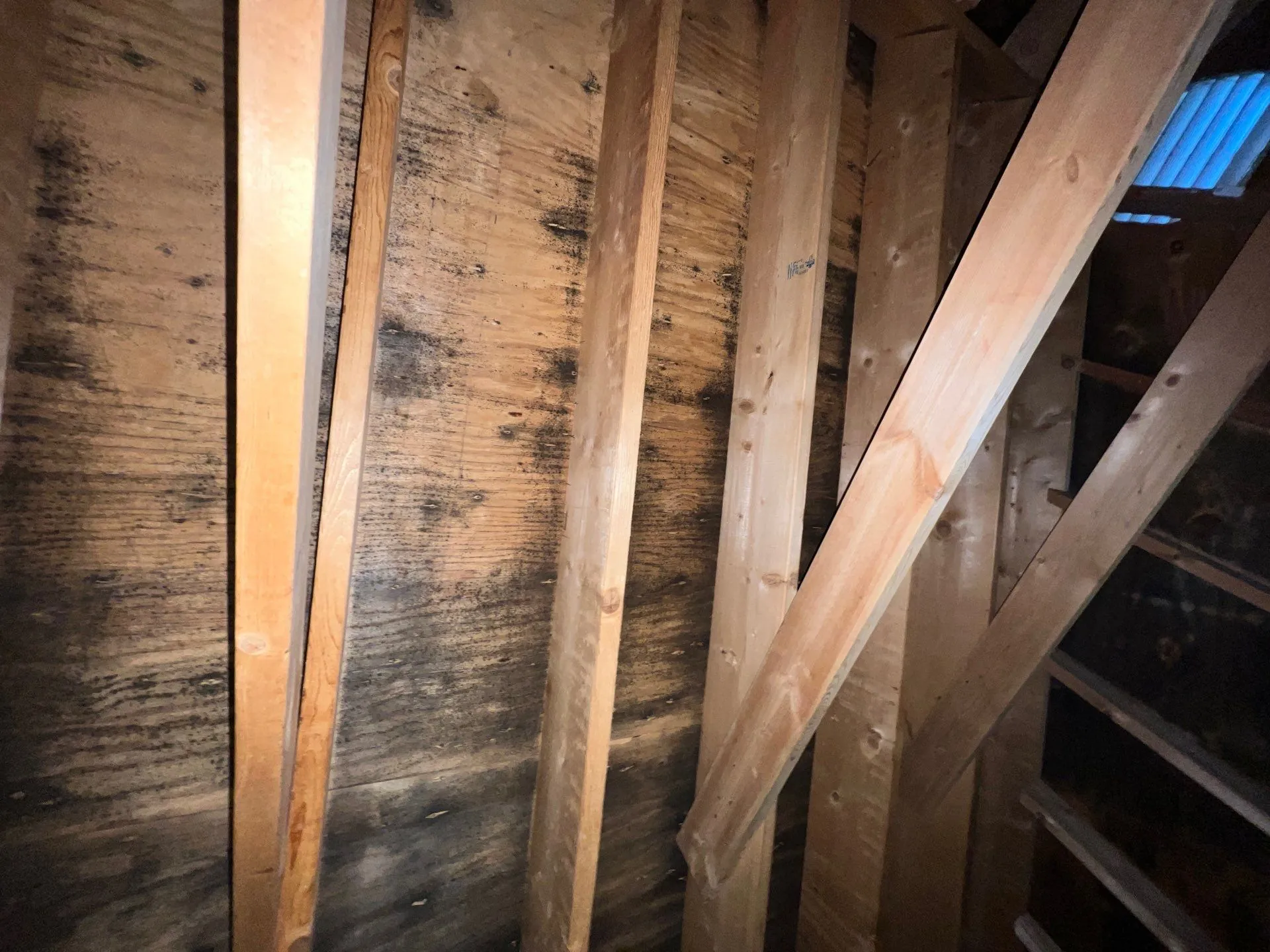
Your home should be a place where you feel safe. Unfortunately, hidden environmental hazards can develop over time without obvious warning signs like:
These issues may seem minor at first, but they could indicate the presence of mold, lead-based paint, or asbestos.
Each of these hazards presents different risks to your property and the people inside it. Some can affect indoor air quality. Others become dangerous when disturbed during renovations or demolition. Knowing what to look for can help you take action before a small problem becomes a larger one.
This guide explains the health concerns associated with mold, lead, and asbestos, where these hazards are commonly found, and when it's time to contact a professional.


Many people don't know exactly what they're dealing with. They simply notice that something doesn't seem right.
If you've experienced any of the following, your property may have an environmental hazard worth investigating.
A persistent musty smell is one of the most common signs of hidden mold growth. Mold often develops behind walls, beneath flooring, inside crawl spaces, and other damp areas where moisture goes unnoticed.
Possible concerns:
MOLD GROWTH
|
HIDDEN MOISTURE
|
WATER INTRUSION
|
POOR INDOOR AIR QUALITY
Learn More
What Does Mildew Look Like? And When It’s Actually Mold
Is That Mold or Just a Stain?
Water from leaking pipes, roof damage, appliance failures, or flooding can create ideal conditions for mold growth in as little as 24 to 48 hours.
Even when surfaces appear dry, moisture trapped inside walls, insulation, or flooring can continue feeding mold growth.
Possible concerns:
HIDDEN MOLD
|
STRUCTURAL DAMAGE
|
INDOOR AIR QUALITY ISSUES
Learn More
How Snowmelt Can Lead to Basement Mold
Basement Moisture Control: Common Mold Hazards
If your home was built before 1978, peeling or deteriorating paint could contain lead.
Lead paint becomes a greater concern as it ages or when it's disturbed during sanding, scraping, or remodeling. Even small amounts of lead dust can spread throughout a home.
Learn More
Lead in the Home: Sources, Health Risks, & Prevention
Testing Your Home for Lead: Protecting Indoor Air Quality and Your Health
Lead Paint in Modern Homes: What Young Families Should Watch For
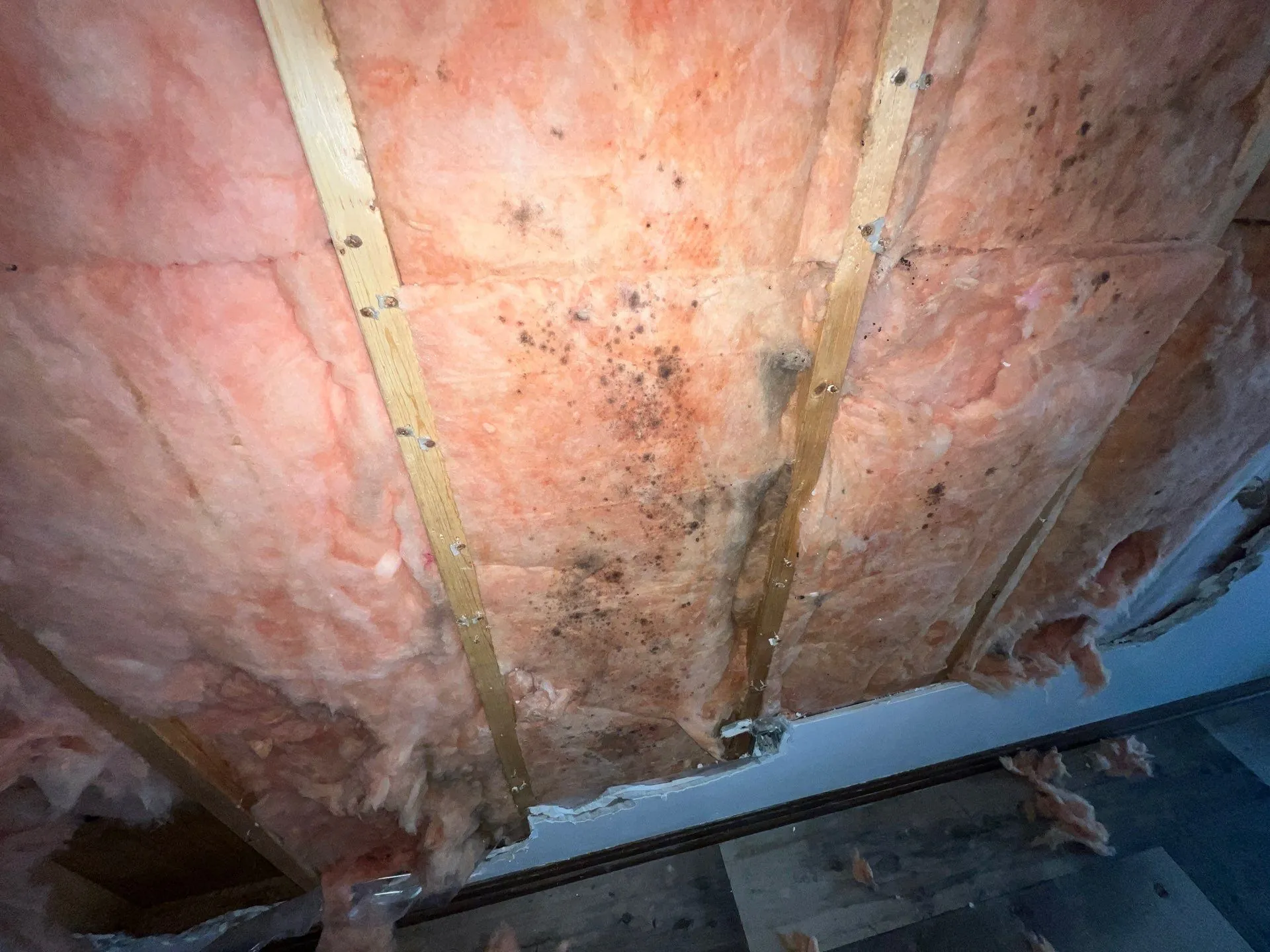
Older homes often contain materials that were considered standard decades ago but are now recognized as health hazards.
Before removing flooring, insulation, ceiling tiles, or textured finishes, it's important to know whether asbestos-containing materials may be present.
Learn More
Is Asbestos Lurking in Your Home? Start with Safe Testing
How to Spot Asbestos in Your Popcorn Ceiling
Asbestos in Homes: Common Materials and What You Should Know
Environmental hazards don't always announce themselves with obvious warning signs.
Mold can spread behind walls before it becomes visible.
Lead exposure often happens without immediate symptoms.
Asbestos fibers are microscopic and cannot be seen with the naked eye.
By the time these problems become obvious, remediation is often more extensive and more expensive than it would have been if the issue had been identified earlier.
Understanding the risks allows you to make informed decisions about your property and protect the people who live or work there.

Mold is a naturally occurring fungus that grows anywhere moisture and organic materials are present. While mold plays an important role outdoors, it becomes a problem when it starts growing inside homes and buildings.
Leaks, flooding, poor ventilation, and high humidity can all create conditions where mold thrives. Once established, mold can continue spreading until the moisture source is corrected.
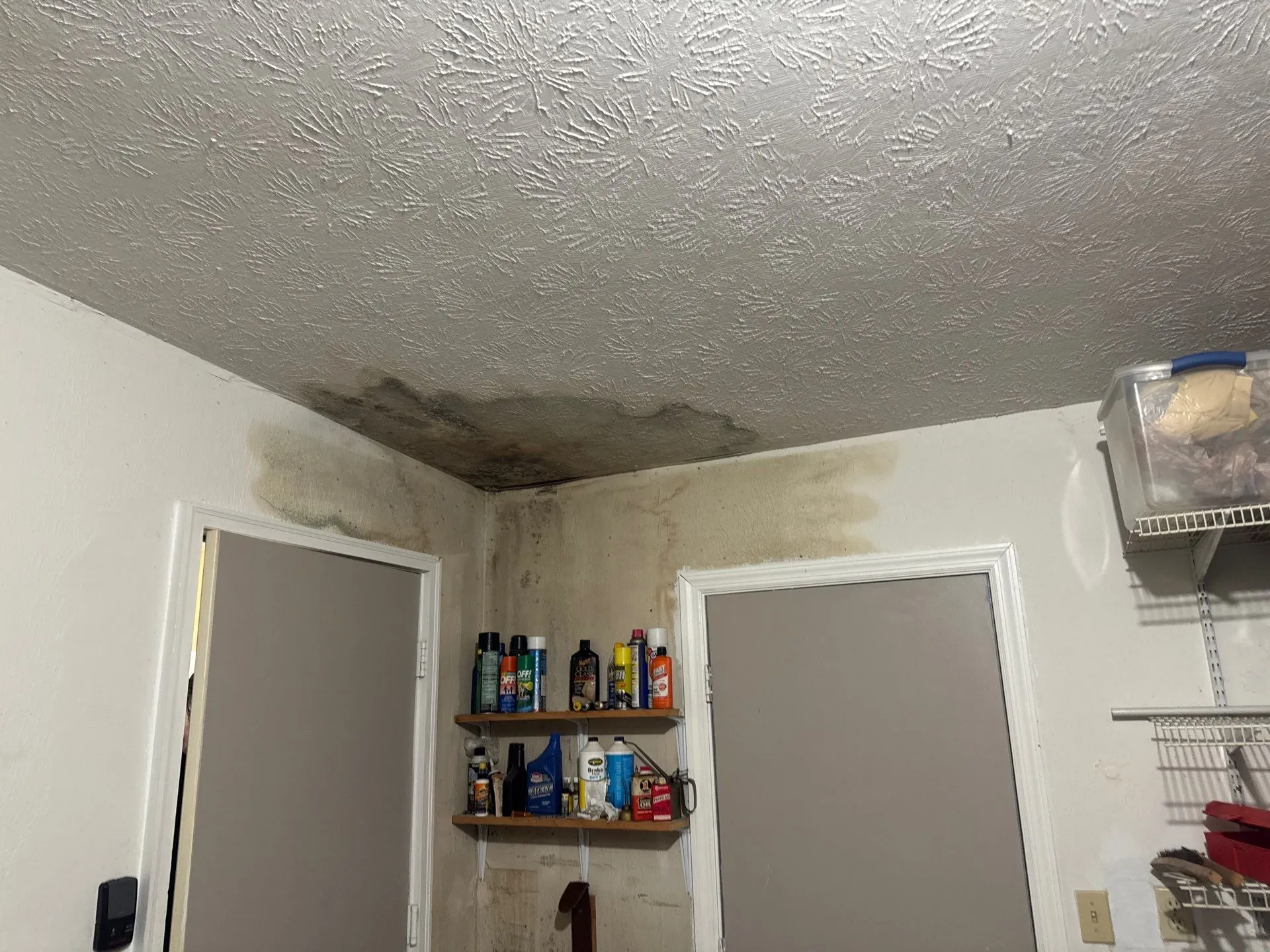
Mold affects more than the appearance of your home.
As mold grows, it releases microscopic spores into the air. These spores can reduce indoor air quality and may trigger allergy-like symptoms in some individuals. People with asthma, allergies, chronic respiratory conditions, or weakened immune systems are often more sensitive to mold exposure.
According to the Centers for Disease Control and Prevention (CDC), mold exposure may cause symptoms such as:
SNEEZING
|
NASAL CONGESTION
|
COUGHING
|
WHEEZING
|
ITCHY OR WATERY EYES
|
SKIN IRRITATION
Symptoms vary from person to person, and they can have many different causes. If you're experiencing persistent health concerns, consult a healthcare provider.
Beyond potential health concerns, mold can damage many common building materials.
As mold spreads, it may affect:
DRYWALL
|
WOOD FRAMING
|
INSULATION
|
CEILING TILES
|
CARPETING
|
STORED BELONGINGS
The longer excess moisture remains, the larger the affected area may become. What starts as a small leak can eventually require extensive remediation if left untreated.
MUSTY ODORS
|
WATER STAINS
|
VISIBLE DISCOLORATION
|
WARPED DRYWALL
|
PREVIOUS FLOODING
|
CONDENSATION PROBLEMS
|
HIGH HUMIDITY
Related Resources
What Does Mildew Look Like? And When It’s Actually Mold
Mycotoxins Explained
Is Green Mold Harmful? What Every Homeowner Should Know
Mold Glossary
Need Help With Mold?
Learn more about our Mold Remediation services or schedule a professional inspection.

Lead-based paint was widely used in homes until it was banned for residential use in 1978. Many older homes still contain original layers of lead paint beneath newer coats.
Paint that remains intact is generally less concerning than paint that is peeling, chipping, cracking, or disturbed during remodeling.

Lead is a toxic metal that can build up in the body over time.
Children are especially vulnerable because their brains and nervous systems are still developing. According to the EPA and CDC, there is no identified safe blood lead level for children.
Lead exposure has been associated with:
LEARNING DIFFICULTIES
|
DEVELOPMENTAL DELAYS
|
BEHAVIORAL PROBLEMS
|
REDUCED ATTENTION SPAN
|
NERVOUS SYSTEM DAMAGE
Adults can also experience health effects after prolonged exposure, including high blood pressure, kidney problems, and reproductive issues.
Lead hazards most commonly come from:
PEELING PAINT
|
LEAD DUST
|
RENOVATION ACTIVITIES
|
WINDOW AND DOOR FRICTION
|
CONTAMINATED SOIL AROUND OLDER HOMES
Because lead dust is often invisible, many homeowners don't realize exposure is occurring.
If your home was built before 1978 and you're planning to sand, scrape, demolish, or renovate painted surfaces, it's important to determine whether lead paint is present before work begins.
Related Resources
Lead-Paint in Homes: What Contractors Need to Know
Lead-Safe Practices for Renovation
Lead Glossary
Need Help With Lead Paint?
Learn more about our Lead Paint Abatement Services.

For decades, asbestos was added to thousands of construction products because of its strength and heat resistance.
Although its use has declined significantly, many older homes and commercial buildings still have asbestos-containing materials.
Finding asbestos does not automatically mean there is a danger. The greatest risk occurs when asbestos-containing materials become damaged or disturbed.
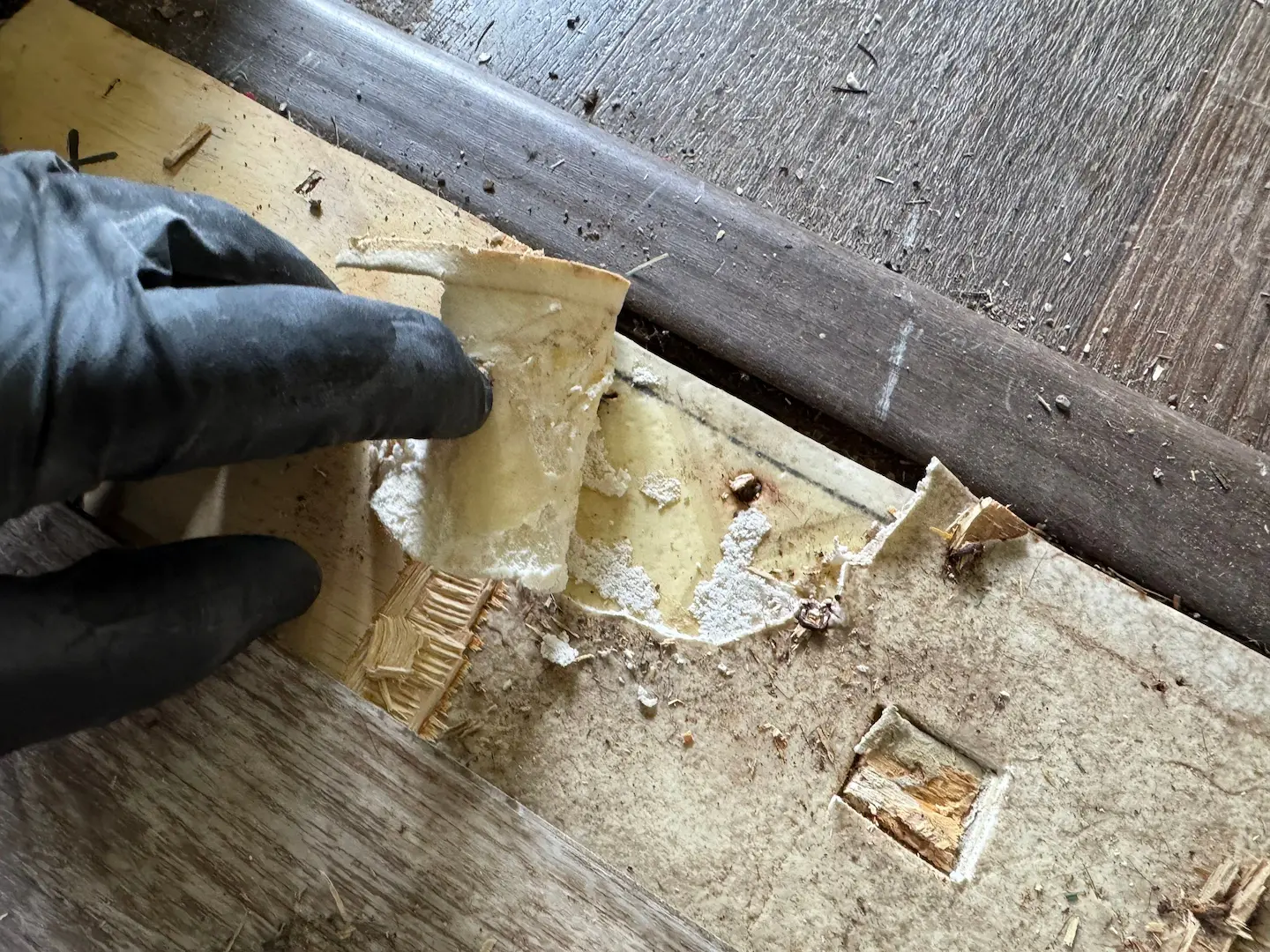
Asbestos fibers are incredibly small and cannot be seen or smelled.
When asbestos-containing materials are cut, drilled, broken, or deteriorate over time, they can release microscopic fibers into the air.
If these fibers are inhaled, they can remain in the lungs for years. Long-term exposure has been linked to serious diseases, including:
ASBESTOSIS
|
LUNG CANCER
|
MESOTHELIOMA
These illnesses often develop decades after exposure, making prevention especially important.
Older homes and commercial buildings may contain asbestos in:
PIPE INSULATION
|
FLOOR TILE
|
CEILING TILE
|
ROOFING MATERIALS
|
HVAC DUCT INSULATION
|
CEMENT PRODUCTS
|
TEXTURED CEILING COATINGS
Before starting demolition or renovation in an older property, suspect materials should be evaluated by trained professionals.
Related Resources
Asbestos In the Workplace: Protecting Employees and the Environment
Asbestos In the Home: How to Identify & Mitigate Risks
Asbestos Glossary
Need Help With Asbestos?
Learn more about our Asbestos Abatement services.
Environmental hazards rarely improve on their own.
Moisture allows mold to continue growing.
Paint continues to deteriorate over time.
Renovation can disturb asbestos-containing materials that were previously undisturbed.
The earlier these problems are identified, the more options you typically have for addressing them safely and effectively.
If you suspect your home or commercial property may contain mold, lead-based paint, or asbestos, an inspection can provide the answers you need before the problem becomes larger.
Some molds are capable of producing mycotoxins, but color alone cannot identify whether a mold is more hazardous. Any significant mold growth should be addressed because it indicates a moisture problem and may affect indoor air quality.
Yes. Mold commonly develops inside wall cavities after plumbing leaks, roof leaks, or flooding where moisture becomes trapped.
No. However, homes built before 1978 may contain lead-based paint beneath newer layers. Testing is the only way to confirm whether lead is present.
Many asbestos-containing materials present a greater risk when they are disturbed. Cutting, sanding, drilling, or demolition can release fibers into the air. Undisturbed asbestos is still dangerous, however, disturbed asbestos presents a greater risk.
If your property was built before regulations changed for lead paint or asbestos, testing before renovation is often recommended to help identify potential hazards and plan the work safely.
Environmental hazards aren't always easy to recognize, but ignoring the warning signs can allow problems to grow.
Whether you're concerned about mold after water damage, peeling paint in an older home, or possible asbestos before a renovation, Farsight Management can help you identify the issue and recommend the right solution.
Our experienced team provides professional inspections, testing, and remediation services to help homeowners, businesses, schools, healthcare facilities, and industrial properties create safer indoor environments.